
Why Patients Actually Use Online Booking
Real reasons patients prefer automated scheduling — and what clinics often get wrong about patient expectations and friction points.
The Friction That Matters Most
Here's what clinic managers often miss: patients don't choose online booking because it's trendy or modern. They choose it because it solves a specific problem — the 2 PM phone call. You know the one. You're at work. You remember your appointment is next week but can't remember the exact time. You call the clinic. The line's busy for 15 minutes. By the time someone answers, you've spent 20 minutes of your workday on hold.
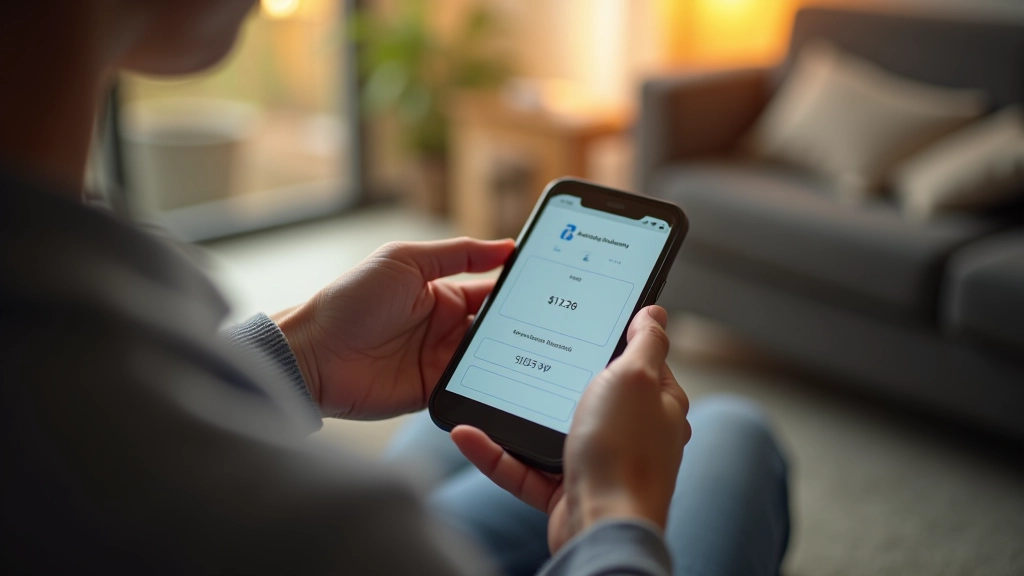
Online booking eliminates that. Patients check their own schedule at midnight if they want. They see available slots, pick one, get a confirmation instantly. No phone tag. No remembering to ask about evening hours. No being put on hold while the receptionist checks the calendar.
Most clinics think patients want online booking for convenience. They do. But the deeper reason? They want control over their time — not the clinic's.
Confirmation Beats Anxiety
Patients forget appointments. That's not laziness — it's life. Work shifts change. Kid gets sick. Traffic's worse than expected. When someone books online and gets an instant confirmation, they've got proof the appointment exists. They can add it to their calendar right then. Set a phone reminder. Tell their partner when they'll be back.
Text reminders help too, but they come later. By then, the patient's already worried they might've misremembered the time. With online booking, the confirmation is immediate. That matters more than clinics realize.


The Data Accuracy Angle
When a receptionist takes a booking over the phone, data gets misheard. A patient says "Tuesday at 2" but the receptionist writes "Tuesday at 12." Names get spelled wrong. Phone numbers get transposed. Then the confirmation text goes to the wrong number or the reminder gets sent to a patient named "Tom" instead of "Tam."
Online booking cuts those errors almost entirely. The patient enters their own information. They see it back on the screen before confirming. They know it's correct because they typed it.
Note: This article is informational only and is not medical advice. Please consult a qualified healthcare professional about your individual situation.
What Clinics Get Wrong
Many clinics assume they need to educate patients about online booking. They think patients don't understand it or don't trust it. Wrong. Patients book hotels, rental cars, and restaurant tables online constantly. They're not confused.
What actually stops adoption? Poor implementation. The system's buried three clicks deep on the website. Or it only shows availability two weeks out when patients want to book next month. Or it requires creating an account for a one-time appointment. These aren't features — they're friction.
Common Implementation Mistakes
- System shows only 48-hour availability windows
- Requires account creation before browsing slots
- Doesn't integrate with actual clinic calendar
- Booking confirmation goes to email, not text
- No mobile-responsive design — forces desktop experience

The Real Adoption Drivers
Patients use online booking when it's genuinely easier than the alternative. Not just technically easier — psychologically easier. It reduces anxiety, saves time, and gives them control. Those are the actual drivers. Everything else is secondary.
Your clinic doesn't need to convince patients that online booking exists. They need to make it the path of least resistance. Put it on the homepage. Make it work on mobile. Show availability at least a month out. Let people book without creating accounts. Send confirmations via text because that's what people check.
When you remove friction, adoption follows naturally. You're not persuading anyone. You're just making something easy.